

Smell Proof Storage: What Actually Works and What Just Smells Like Lavender
Most smell proof storage advice is wrong. Here's what actually contains odour — seals, materials and layers — and what's just masking it badly.


Dive into the BlueBus world! Explore the latest product reviews, peek inside exciting unboxings, discover lifestyle inspiration, and stay on top of new events – all in one place.


The ORION 2.0 is listed as a cone loader, and that's accurate — it fills pre-rolled cones faster and more evenly than doing it over a table, which is what most people buy it for.
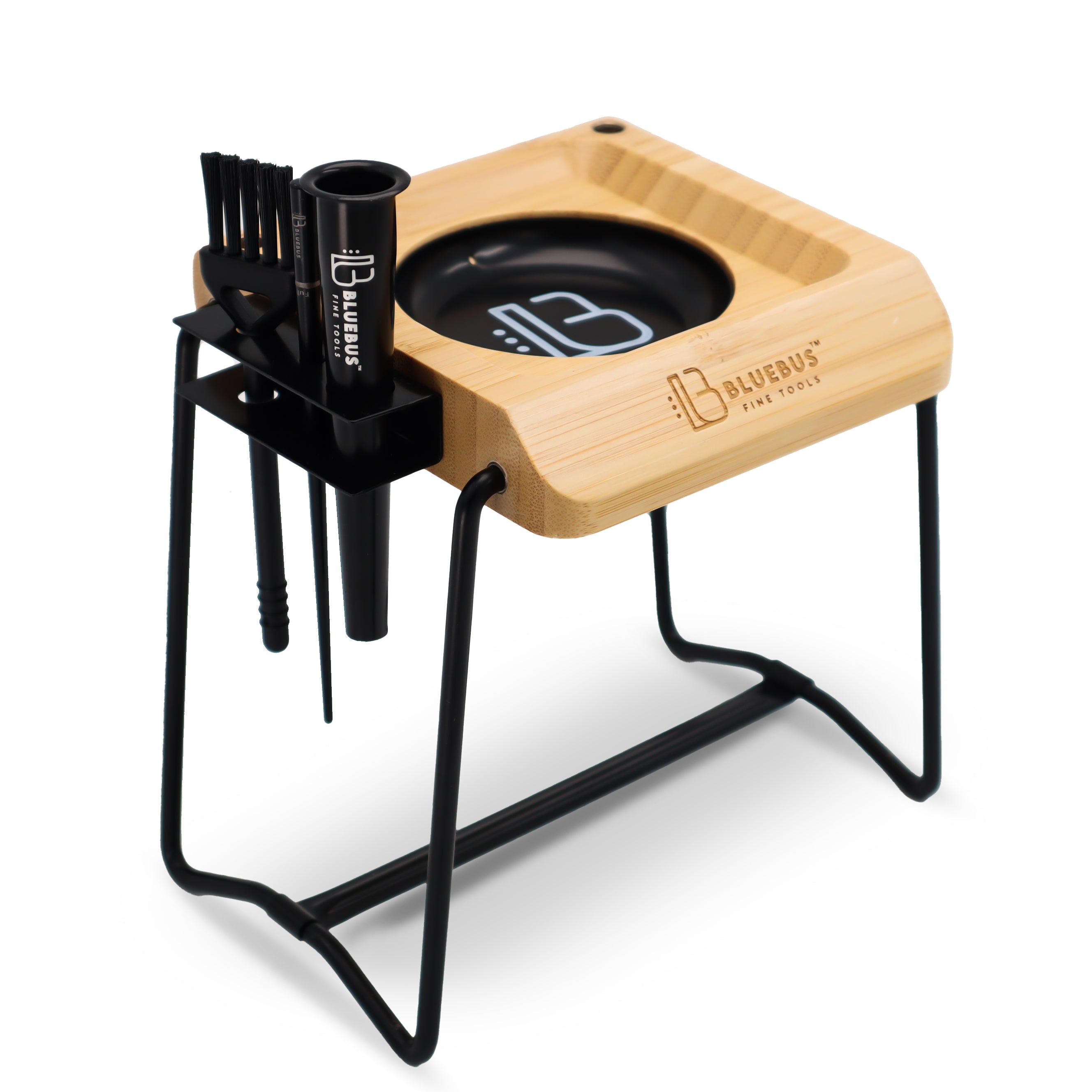
But that description undersells it, and the thing it leaves out is the reason people who own one end up buying a second piece. The 2.0 isn't a single-purpose tool. It's a bamboo platform with magnets and mounting points, and what you put on those mounting points decides what it becomes.
Here's each piece, what it does, and — the part nobody tells you until after you've ordered — which combinations actually fit together.
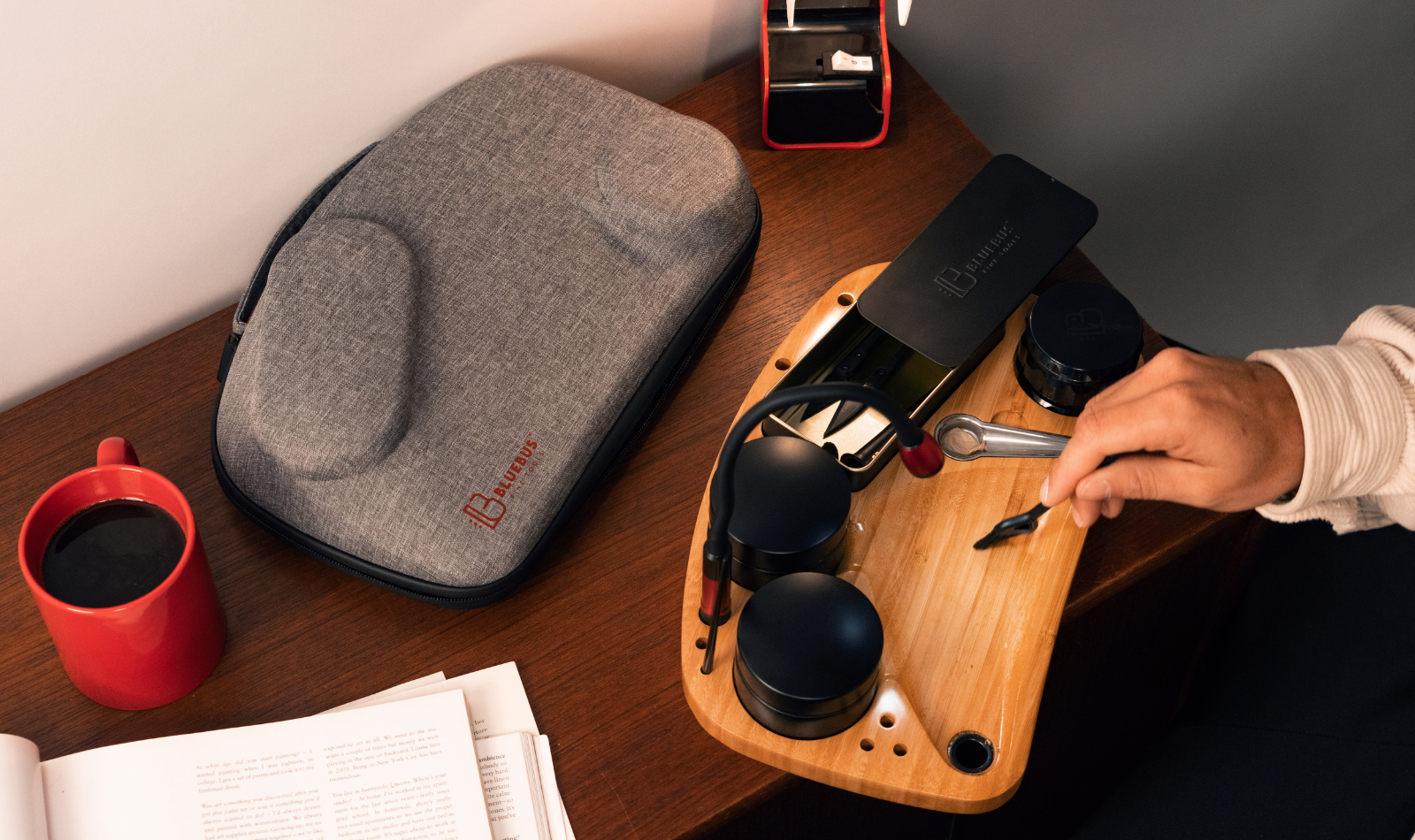
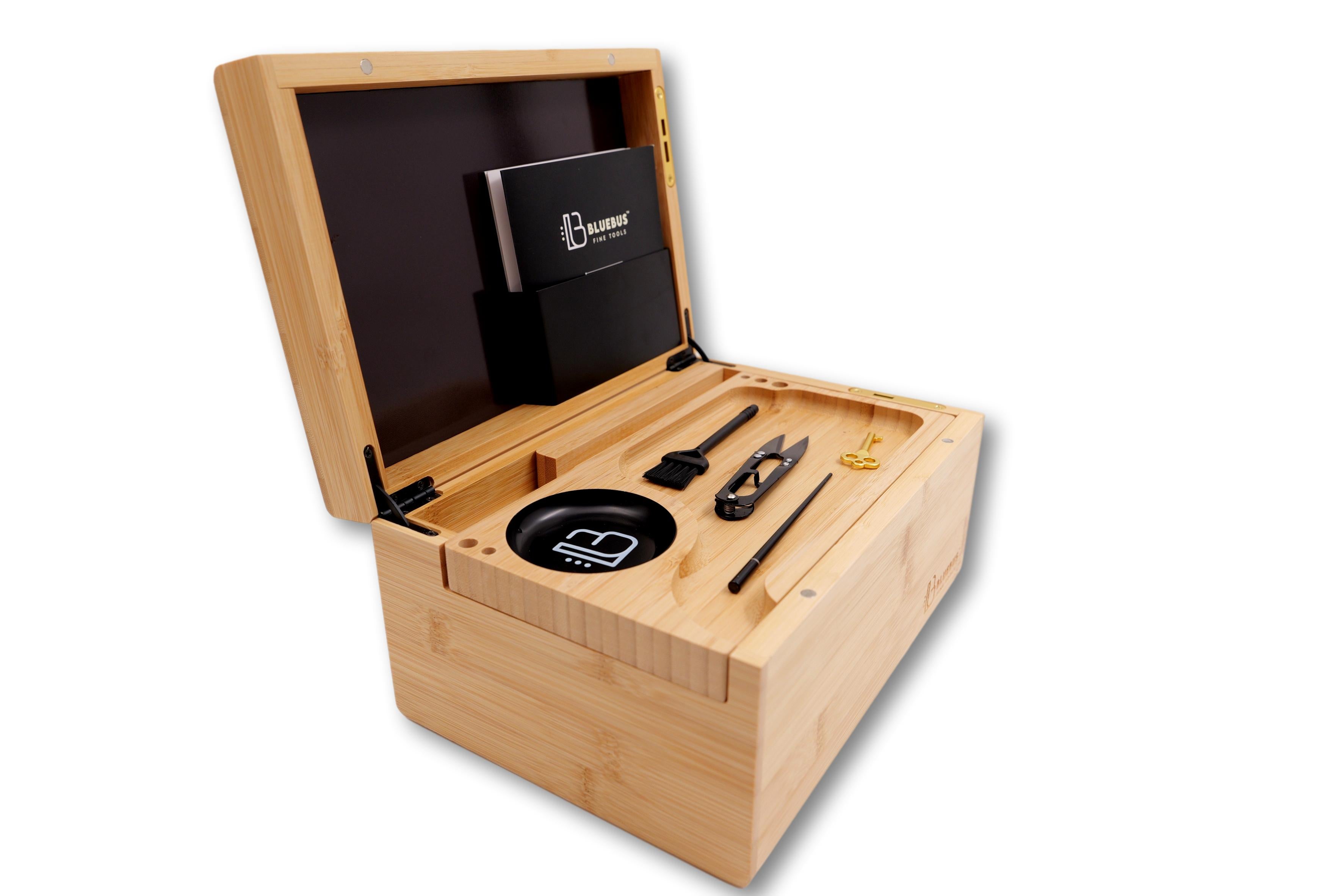
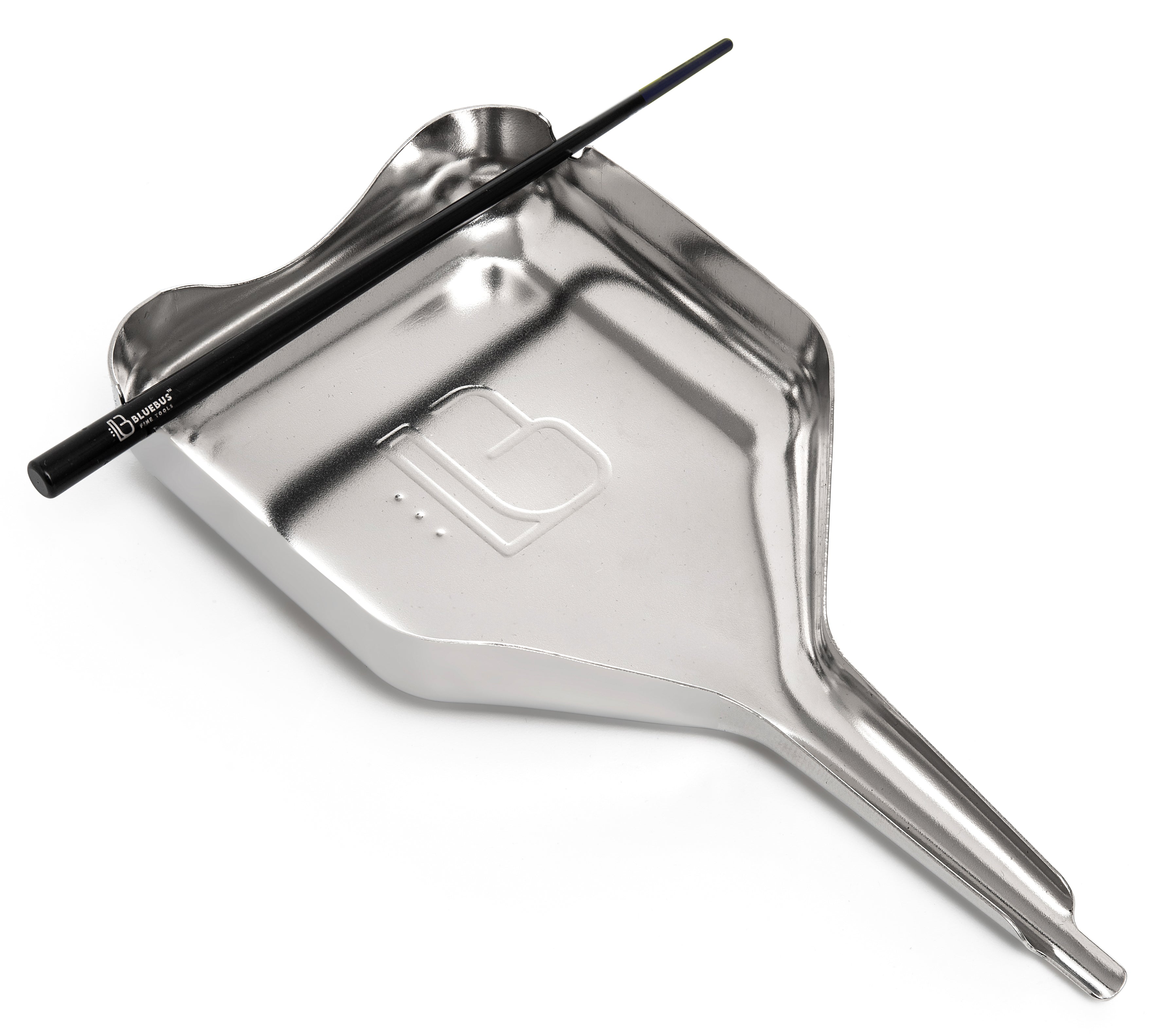
The ORION 2.0 is a complete kit rather than a bare tray, which matters when you're comparing it to cheaper loaders that are a tray and nothing else. For $60 you get:
That's the whole loading workflow covered in one purchase, in both common cone sizes. If you're not sure which size you use, we broke that down in Cone Sizes Explained.
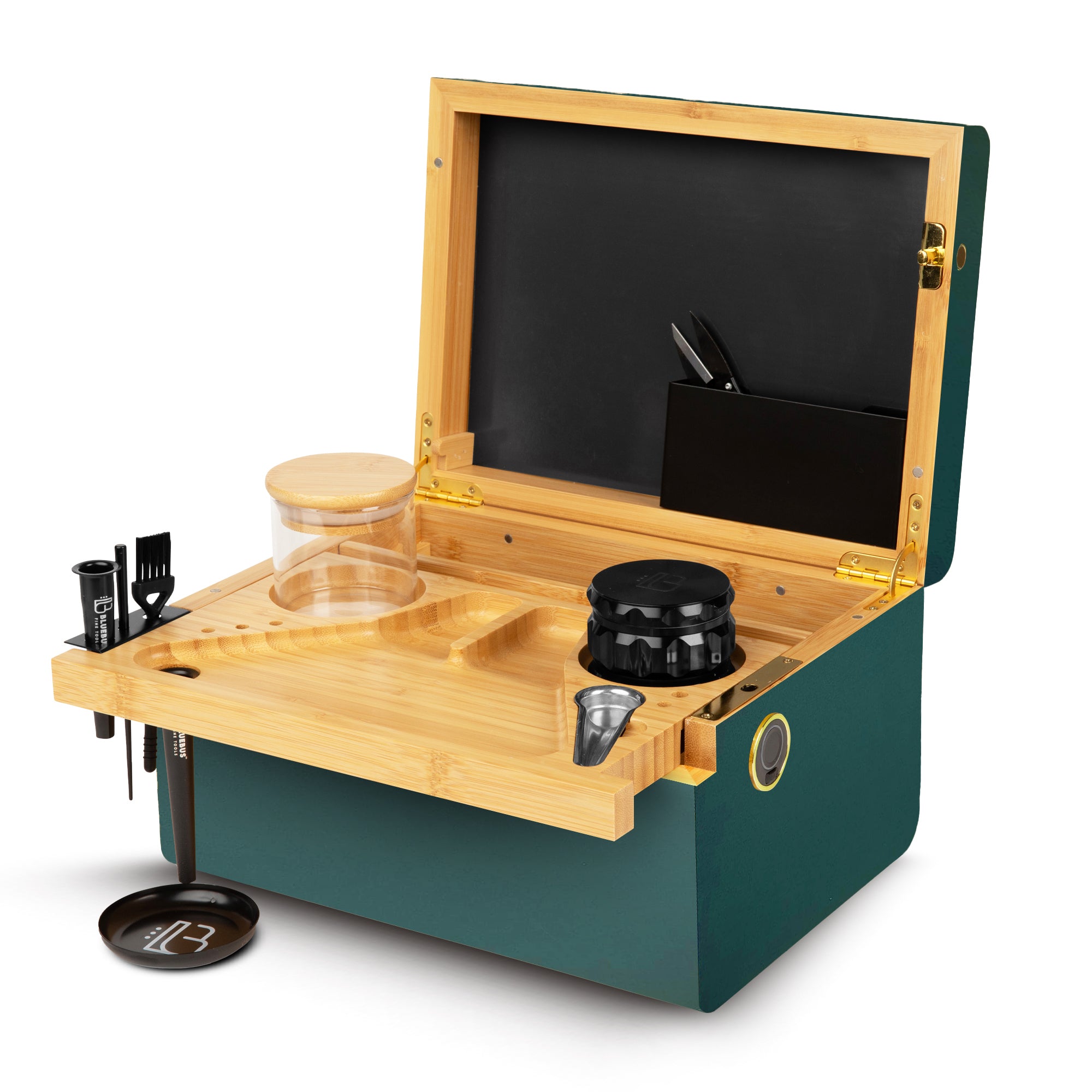
Four things changed from the original, and they're about the workspace rather than the loading: a recessed central tray so loose material stays contained instead of migrating across your desk, two upper bushing units as mounting points, two extra magnets so tools stay where you put them, and a streamlined body.
Those bushings and magnets are the actual story. They're not finishing touches — they're an attachment system, which is an unusual thing for a cone loader to have.
And here's the thing that surprises people: both accessories are for glass. Not cones. If you use bowls as well as cones — or mostly bowls — the ORION stops being a cone loader and becomes the stand your pieces live on, with cone loading as something it also happens to do.
The Bowl Stand & Magnetic Base — $15
A metal bowl holder on a rotating magnetic base, for 14mm and 18mm glass. It holds one piece, and spins so you can bring it round to the front without unseating it. It arrives ready to use, and the magnetic base means it attaches on top of the ORION 2.0 — or on top of a Discovery 2.0, which is worth knowing if you own the box and not the loader.
The Bowl Holder Carousel — $15
A bamboo disc drilled for bowls, in two configurations. 3-hole takes two 18mm and one 14mm. 4-hole takes two 14mm and two 18mm. Pick by what you actually own — if your collection leans 18mm, take the 3-hole; if it's a mix, the 4-hole holds one more piece and splits evenly.
One buying detail worth getting right: the carousel sits in the centre of the ORION 2.0 as it comes, which means it occupies the recessed tray you'd otherwise prep in. Mounting it on top instead frees that space, but it needs a magnetic base — and the only one in the range is the one that comes with the Bowl Stand. So in practice, carousel-on-top means owning both accessories. It's an easy thing to miss and an annoying thing to discover after the parcel arrives. The carousel works with Discovery boxes too.
Both accessories list the same two numbers, and if you've only ever rolled cones they won't mean much. They're worth two minutes, because they decide which carousel you buy.
The number is the joint size — the diameter of the ground-glass fitting where the bowl meets the piece it sits in, measured across the widest part of that frosted section. It isn't the height of the bowl or the size of the hole you pack. Two bowls can look completely different and share a joint size, which is the whole point of the standard: match the size and the gender — a bowl is the male half — and pieces swap between setups.
14mm and 18mm are the two most common — 10mm exists too, mostly on smaller rigs, but it isn't what these accessories are cut for. 14mm is the smaller of the two and the more widespread; 18mm turns up more on larger pieces. Most people own a mix without having thought about it.
How to tell what you've got
Then pick the drilling to match. 3-hole is two 18mm and one 14mm — right if your collection leans large. 4-hole is two 14mm and two 18mm — right if it's a mix, and it holds one more piece. The Bowl Stand takes both sizes, so if you genuinely don't know what you own yet, that's the safer first purchase.
| Build | What you get | Cost |
|---|---|---|
| Loader only | Full cone-filling kit, both sizes, contained workspace | $60 |
| Loader + carousel | Three or four bowls, sitting in the centre of the tray | $75 |
| Loader + bowl stand | One bowl on a rotating mount on top, centre tray free | $75 |
| Everything | Both — and the only build where the carousel can go on top | $90 |
The carousel on its own sits in the centre. Moving it up top needs the Bowl Stand's magnetic base.
Most people don't need the last row immediately. Buy the loader, use it for a month, and you'll know whether your glass wants a home on it.
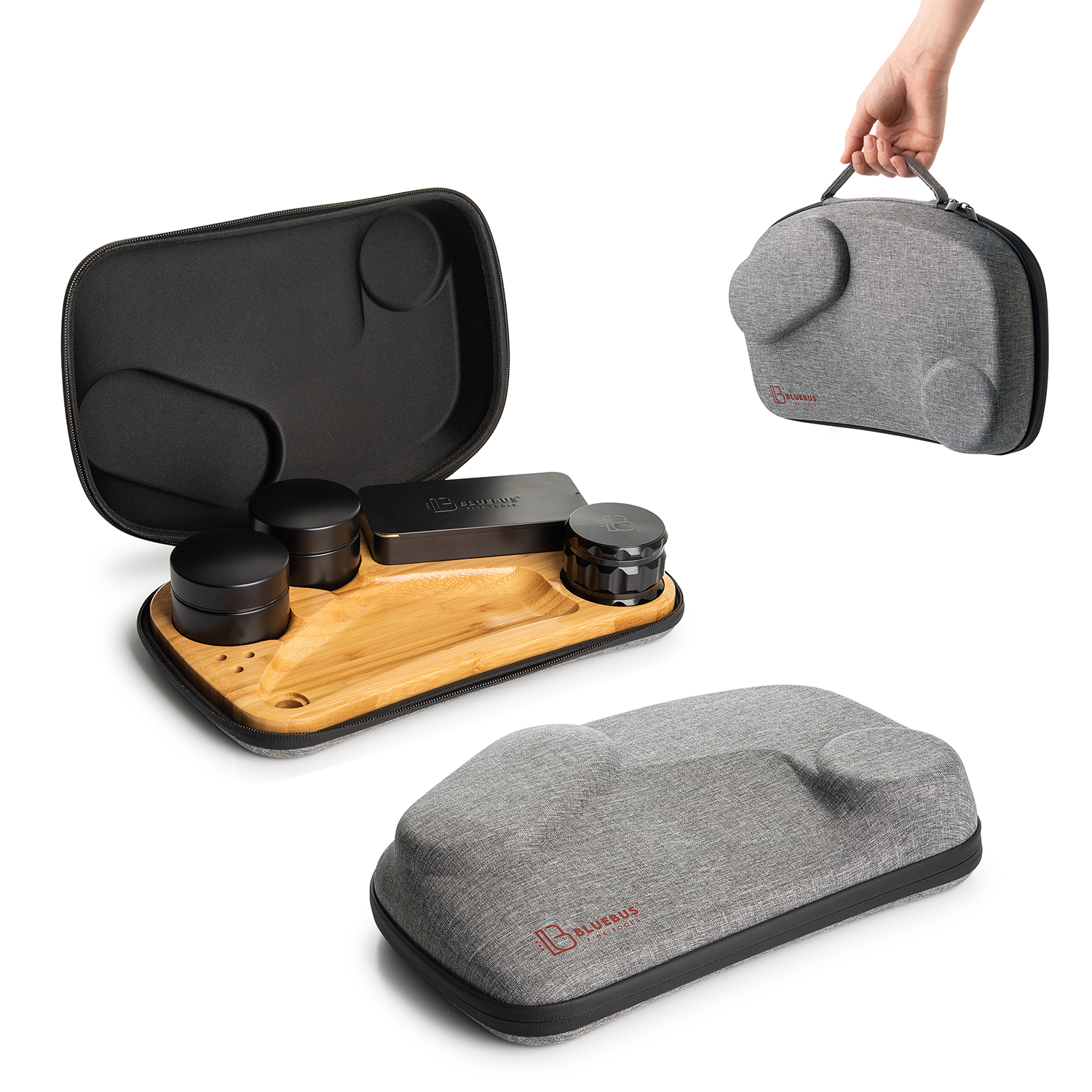
The legs fold, which is the ORION's quiet advantage over a fixed tray — it goes flat into a drawer or a bag between sessions, so it doesn't have to live on your desk to be worth owning.
Once glass is mounted on it, though, you'll probably want to leave it set up. That's worth deciding deliberately: if the setup moves, keep it to the loader and the tools; if it lives in one place, build it up.
Compatibility across the range isn't uniform, and the exceptions are specific:
If you're still deciding between loaders rather than building one out, ORION 2.0 vs TIGER covers that comparison.
THE SHORT ANSWER
Buy the loader on its own at $60 and you have a complete cone-filling kit in both sizes — nothing missing, nothing to add.
Add an accessory only when you know which problem you're solving. One bowl you reach for constantly: the Bowl Stand. A collection that's cluttering the desk: the carousel, in the drilling that matches your joints. Both, at $90, if you want the carousel up top and the centre tray kept clear for prep.


Both $15. The stand holds one bowl and mounts on top; the carousel holds three or four and sits in the centre — or on top, with the stand's magnetic base. Pictured: the 4-hole carousel.
The loading function is unchanged. What's new is the workspace: a recessed central tray that contains loose material, two upper bushing units for mounting accessories, two additional magnets for holding tools, and a streamlined body. All of it came from feedback on the original.
No. Either works on its own — the stand holds one bowl on a rotating mount, the carousel holds three or four. Buy both if you want maximum storage, or if you want the carousel up top rather than in the centre, since that needs the stand's magnetic base.
3-hole takes two 18mm and one 14mm. 4-hole takes two 14mm and two 18mm. Match it to the pieces you own; the 4-hole holds one more and splits evenly between sizes.
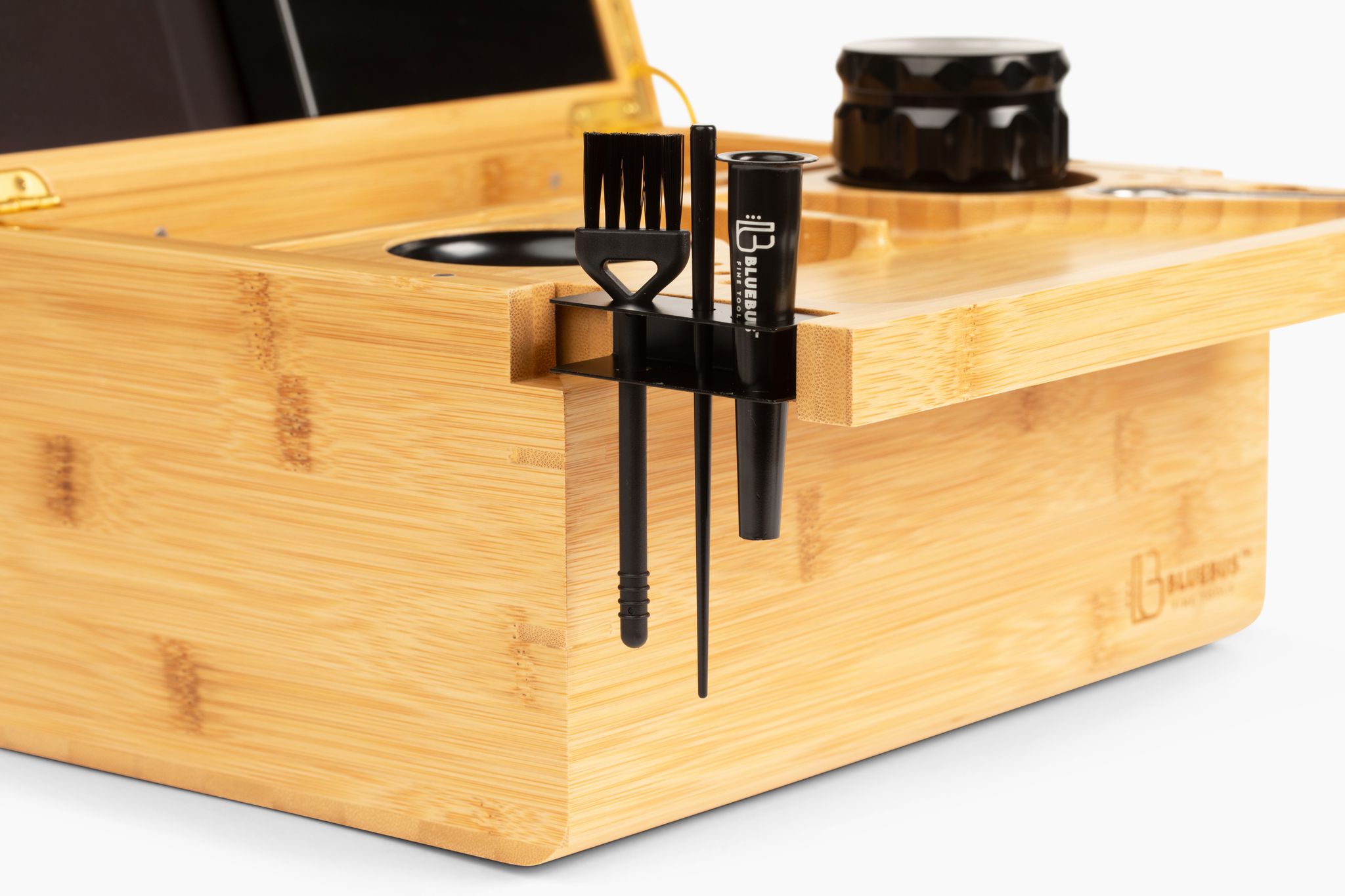
The bowl stand and the carousel both do, and the cone funnels and filling cones work with any cone filler port. The tool stand doesn't — it's cut specifically for the ORION 2.0 body.
Yes, on its own. The legs fold and the tray is compact, so it packs flat. Once you've mounted glass on it, treat it as a fixed station instead.
For cone loading it's complete — funnels, filling cones, packing stick, brush, plate and stand, in both king-size and 1¼. The accessories are only needed if you want it to hold glass as well.

