

Light and Size: The Two Upgrades Nobody Plans For
Nobody buys a light for their stash box, and nobody buys the biggest herb grinder first. Both turn out to matter more than the things people do plan for — here's why.


Dive into the BlueBus world! Explore the latest product reviews, peek inside exciting unboxings, discover lifestyle inspiration, and stay on top of new events – all in one place.


Search for smell proof storage and you'll get two kinds of advice. One half tells you to buy something labelled "smell proof". The other half tells you to put a dryer sheet in the bag.
Neither is a plan. The first assumes the label means something — it isn't a regulated term, and plenty of products carrying it are a zip bag with a logo. The second isn't containment at all; it's adding a second smell to the first one, which is why a room treated that way smells like laundry and something else.
Containment is a physical problem with a physical answer. Here's the actual mechanism, what follows from it, and where most setups leak.
Most of what you're smelling is terpenes — the aromatic oils in the plant — along with a handful of sulfur compounds that account for the sharper, skunkier edge. All of them are volatile: they have enough vapour pressure to drift off steadily at room temperature, no heat required.
That matters more than people expect, because it means odour isn't a thing that sits still and occasionally gets out. It's evaporating continuously, as a gas, the entire time.
So a container doesn't need to be strong. It needs to hold gas — which means a seal that actually closes, and a material those compounds can't dissolve into or pass through.
That's the whole problem. Everything below follows from it.
1. A real seal, not a close fit
A lid that merely rests in place is a vent. What you want is compression — a gasket that visibly deforms when you tighten the lid, evenly the whole way round. Compression closes the gap air moves through; the gasket material then decides how slowly anything seeps across it. This is the single biggest difference between a jar that holds and a jar that doesn't, and it's why two jars that look identical can perform nothing alike.
On a soft bag there's a quick check: seal it empty, hold it to your nose and squeeze. Feel air on your face and you've found a gap big enough to carry smell with it. Passing isn't a certificate — it rules out an obvious leak, not the slow seepage you can't feel — but failing is decisive.
2. A material the compounds can't cross
Glass and stainless steel are non-porous. Nothing soaks into the walls and nothing permeates through them. Oils can still sit on the surface, but they wash off completely rather than staying in the material.
Soft plastics are the opposite — less a barrier than a sponge. Aroma molecules dissolve into the plastic and diffuse through it; food scientists call it flavour scalping, and it's the same effect that pulls the citrus note out of orange juice and into the polyethylene seal. It's why an old plastic container still smells of its contents after washing. The smell isn't on it. It's in it.
One honest caveat on glass and steel: the body is rarely the weak point, the gasket is. Silicone seals well but is more gas-permeable than most elastomers, so a sealed jar is still a slow system rather than a perfect one. Which is the argument for the third point below.
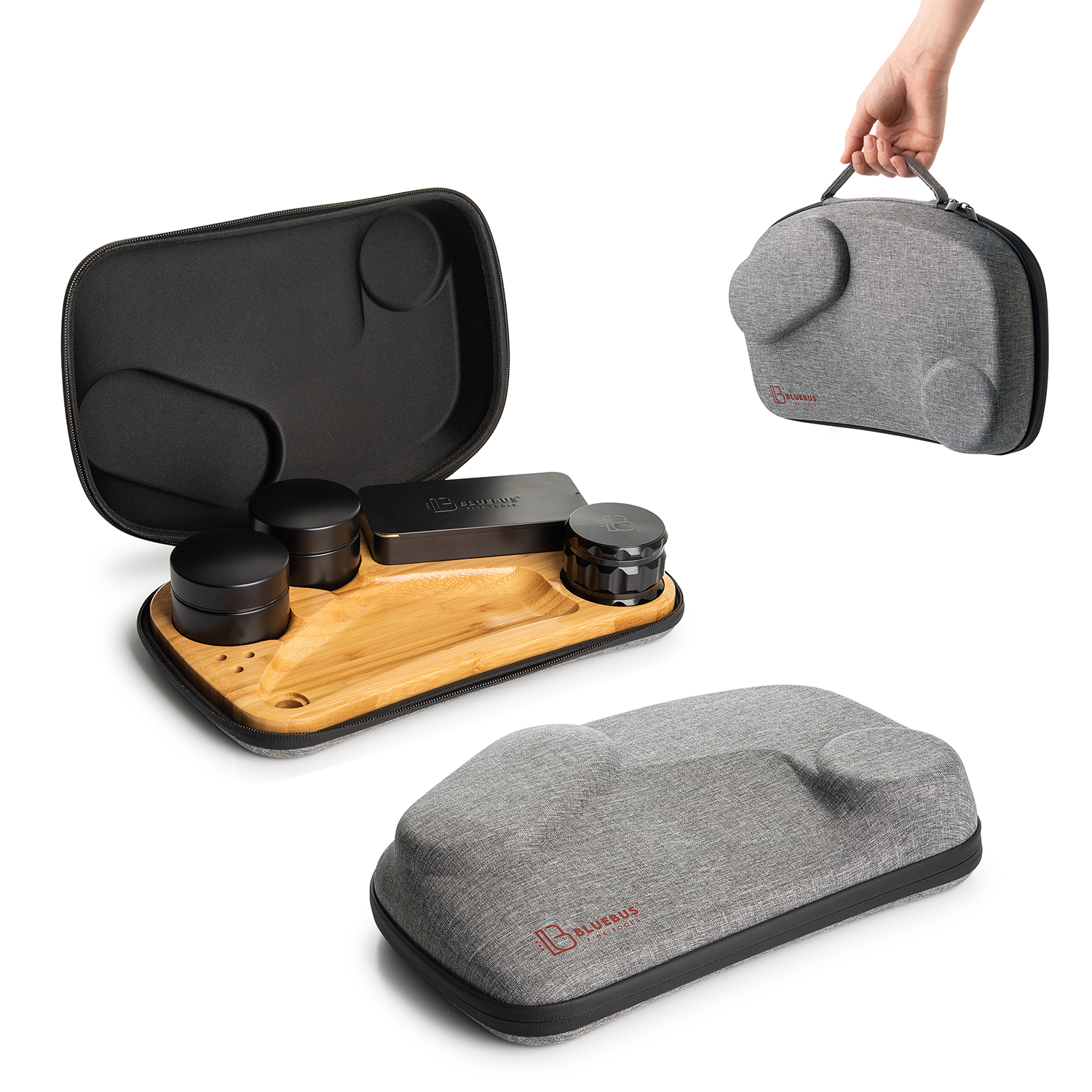
For fabric, the lining is the whole product and the outer shell is cosmetic. Our BULLDOG is lined with rainproof EVA — smooth and non-absorbent, so unlike a woven or untreated liner it doesn't soak up aroma and hold it, and it wipes clean. What a lined bag gives you is an enclosed, non-absorbing compartment around whatever you've sealed inside it. That's its job, and it's why the jars inside still matter.
3. Layers
The one that gets skipped. No single container is perfect forever, and every time you open one, the contents of that container are in the room.
Layering fixes both. Herb in a sealed jar, jar inside a lined bag or a closed box, and you've got two barriers plus a buffer — so opening the outer layer doesn't release anything, and a seal that's slightly past its best doesn't put you back at zero. It's also just more practical: you open the box all the time, and the jar only when you need it.
At home, the enemy is time. Something sits in one place for weeks, quietly releasing terpenes into a room, and the room gradually takes on the smell without anyone noticing it happen. Sealed jars inside a closed box solve it — and a box also solves the related problem, which is that the stuff was in plain view the whole time.
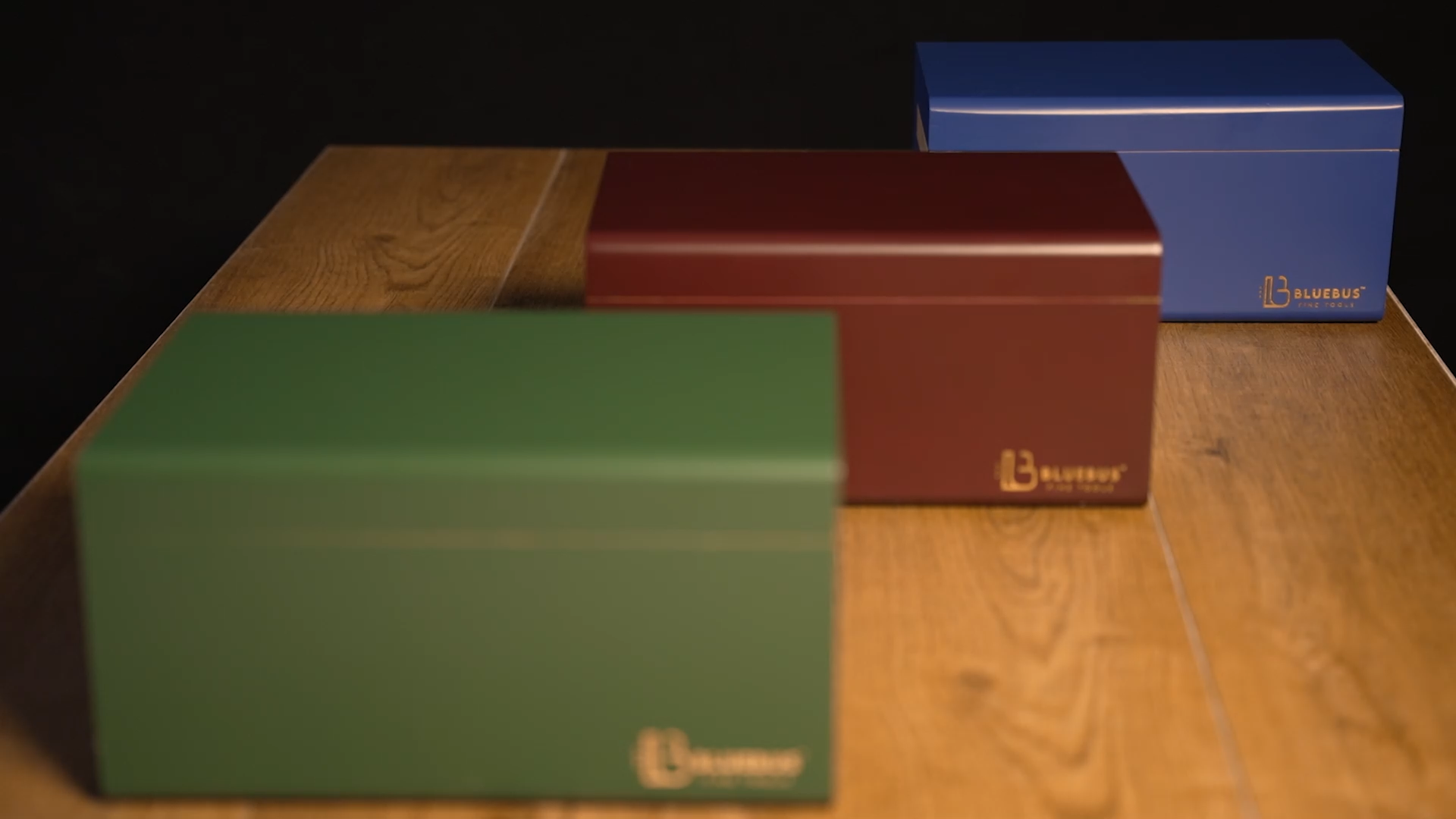
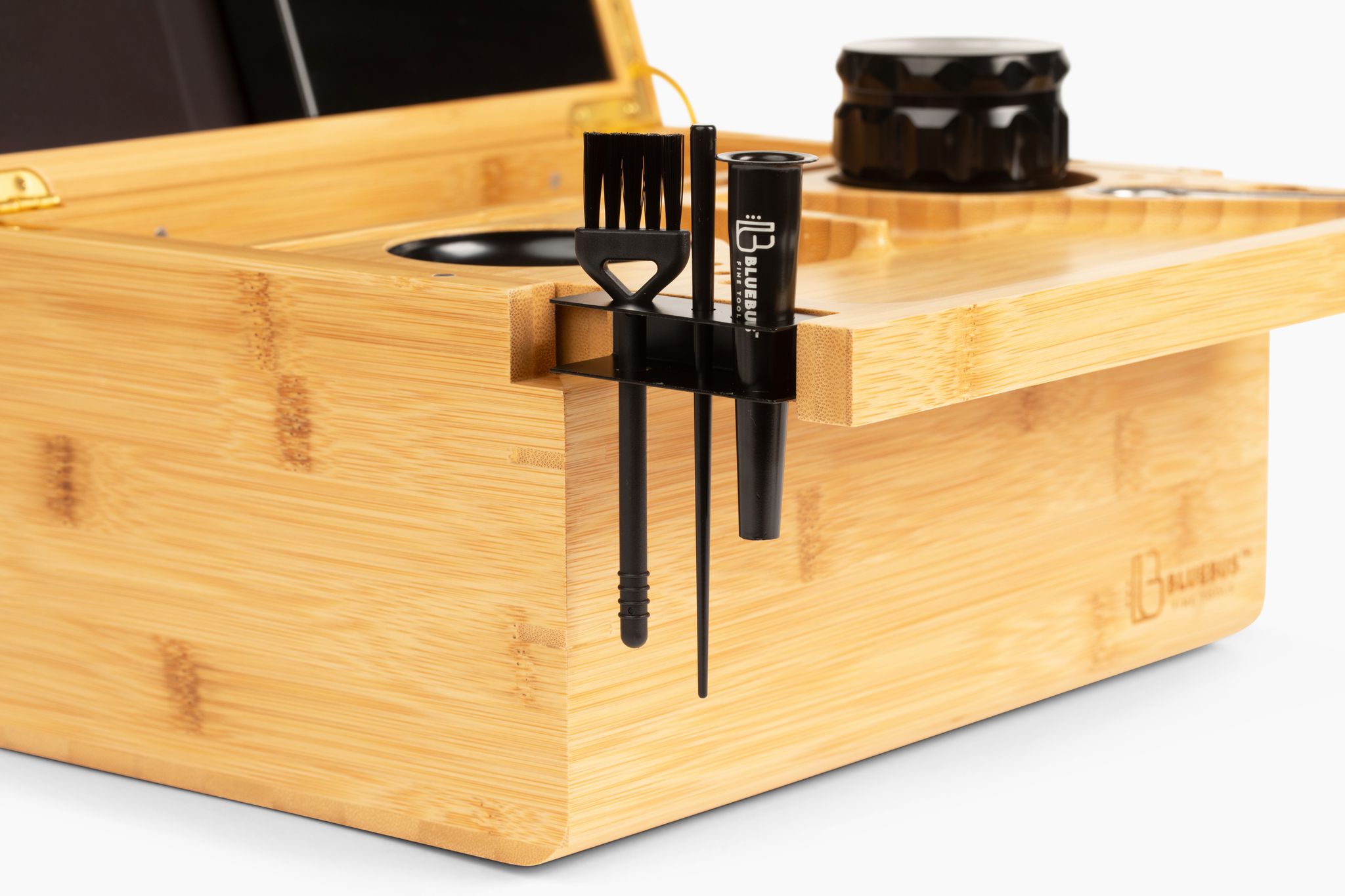
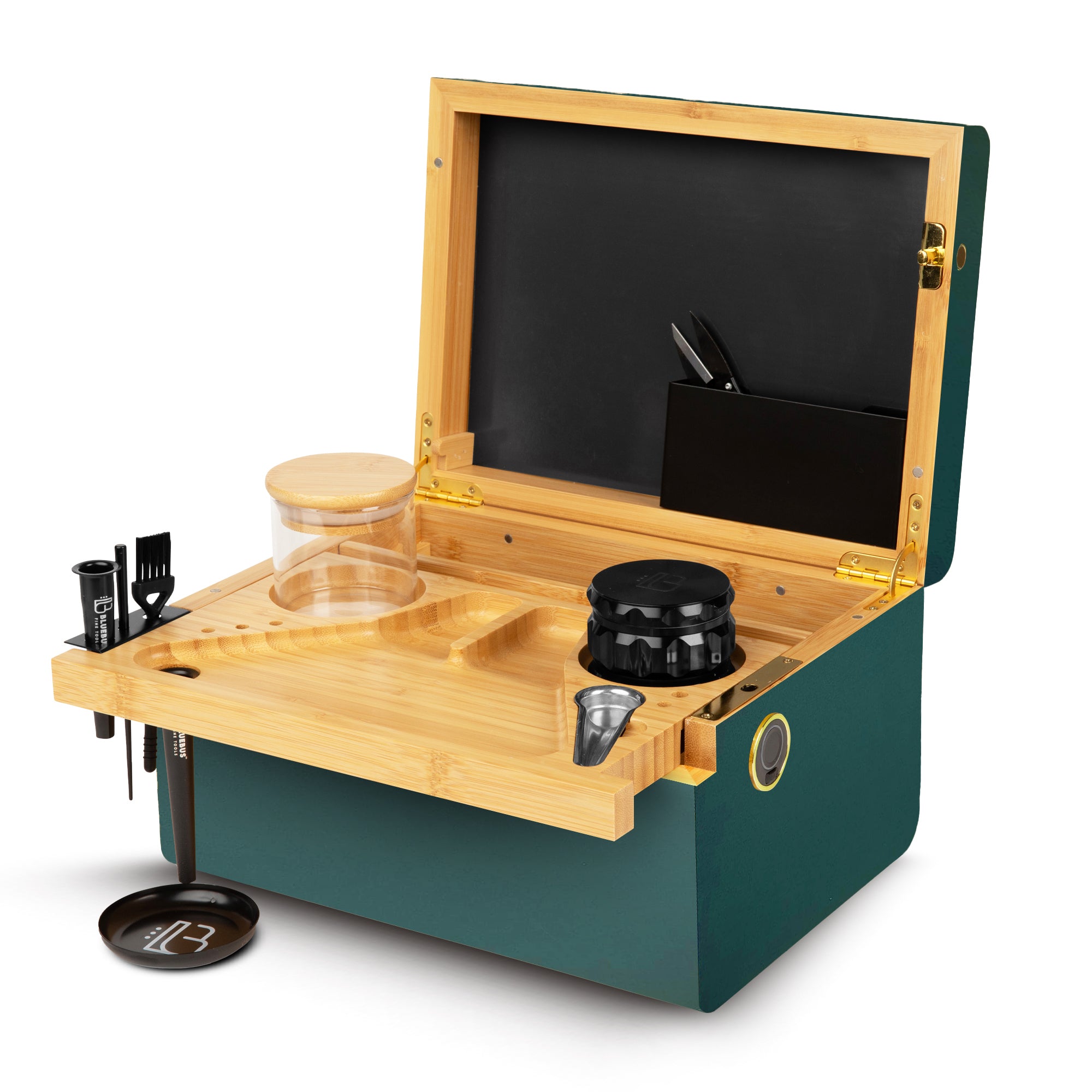
If that's your situation, the box does double duty. The Discovery 2.0 ships with three airtight glass jars and two smell-proof bags, so the layering is built in rather than something you assemble yourself.
On the move, the enemy is proximity. A bag in a car, on a train, in a shared hallway — someone is close to it, and only for a few minutes. What you want there is an enclosed lined compartment with a single opening, and ideally the thing you carry it in is the storage, not a bag you put storage inside.
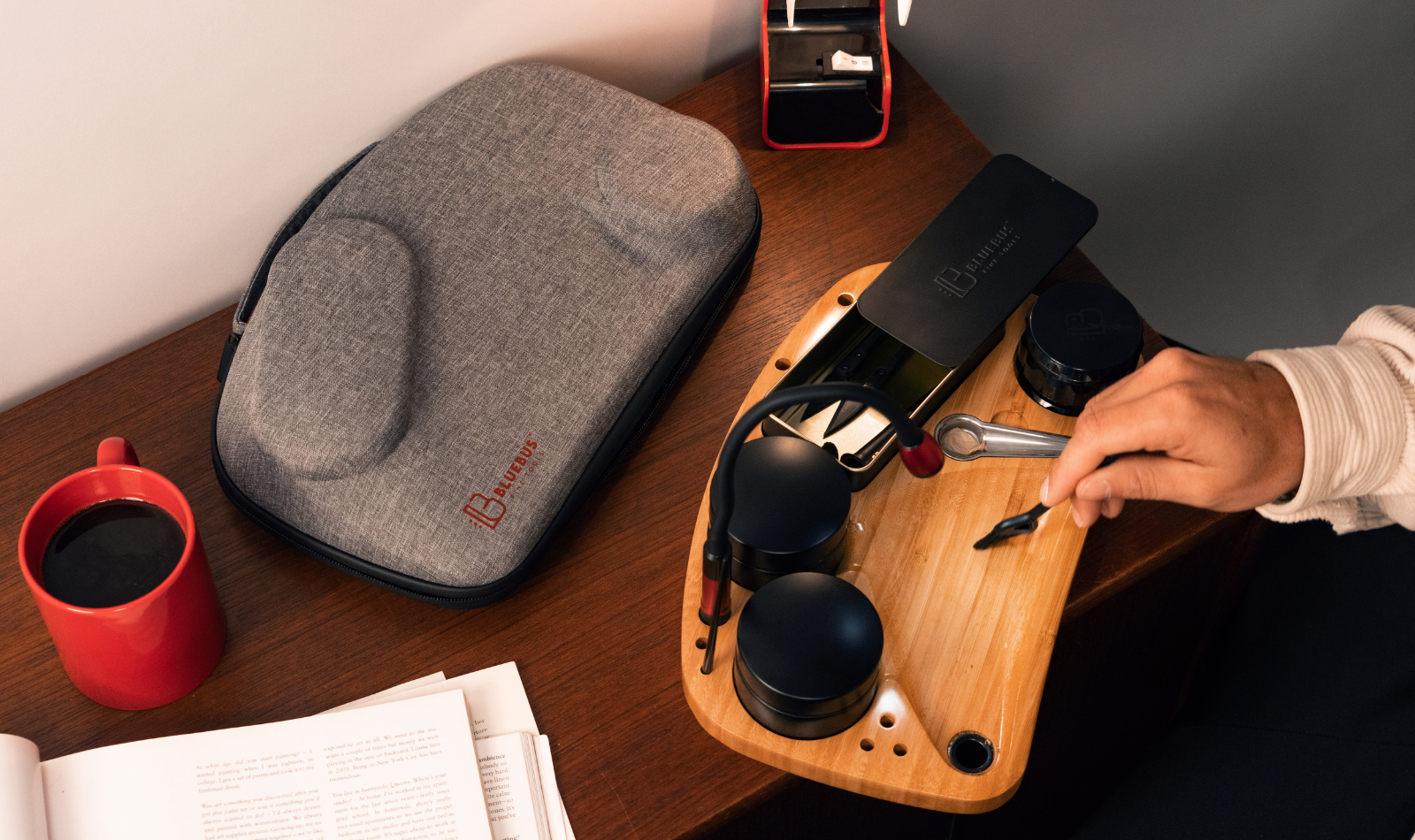
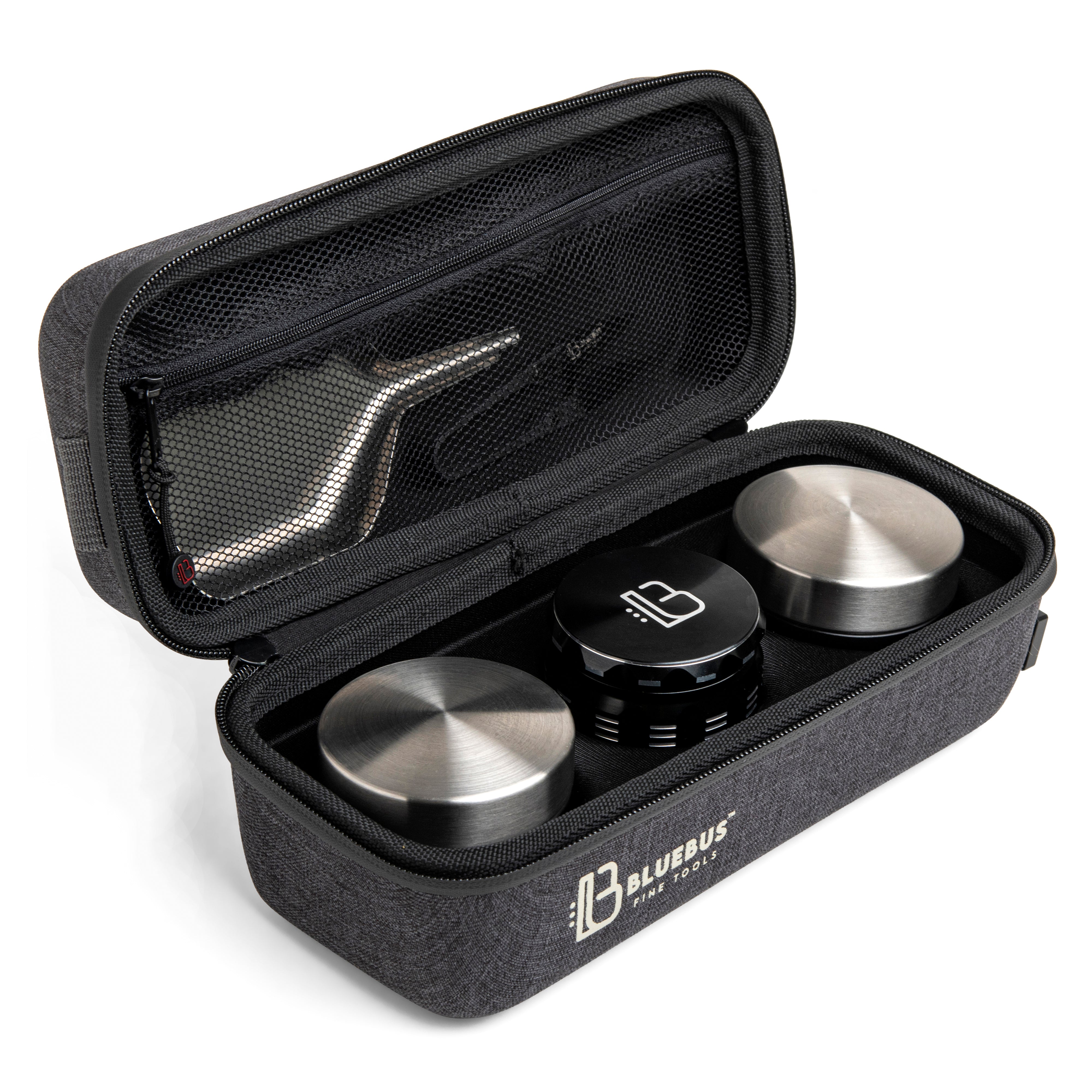
That's what the BULLDOG is for. EVA-lined, combination lock in the zip, and the inside is fitted out like a stash box — slots for the grinder, the tray, the tools, plus two stainless steel BUNKER jars, so the herb is sealed in steel first and the bag is the layer around it rather than the only line of defence. The outer shell is woven from recycled polyester made from recycled bottles, which we wrote about in Recycled Polyester.
| Situation | What you need | What usually fails |
|---|---|---|
| Flatshare or family home | Sealed jars inside a locking box | A drawer. Not sealed, and not private either |
| Travelling or commuting | A lined bag with jars inside it | A fabric pouch with no barrier layer |
| Long storage | Glass or stainless, gasket seal, out of light | Soft plastic — absorbs, then releases |
| Guests tonight | Close the jar properly and shut the box | Spraying something over the top of it |
Containment, not masking. The difference is whether the smell is contained or just accompanied.
Seal, material, layers. A gasket that compresses evenly, a surface the compounds can't dissolve into, and more than one of them between the contents and the room. Everything that works does those three things, whatever it costs and whatever the label says. Everything that doesn't work is missing at least one of them — usually the seal.
WORTH KNOWING THIS WEEK
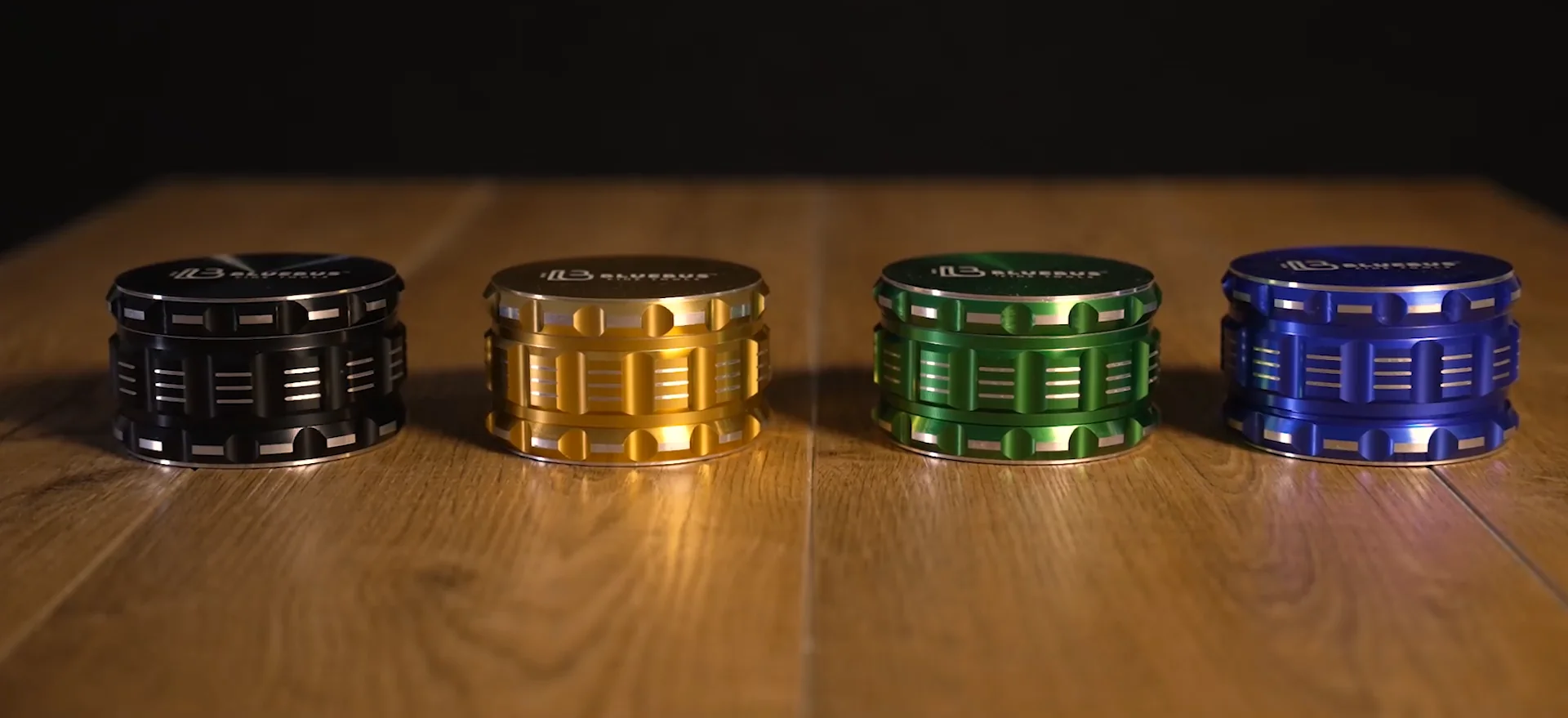
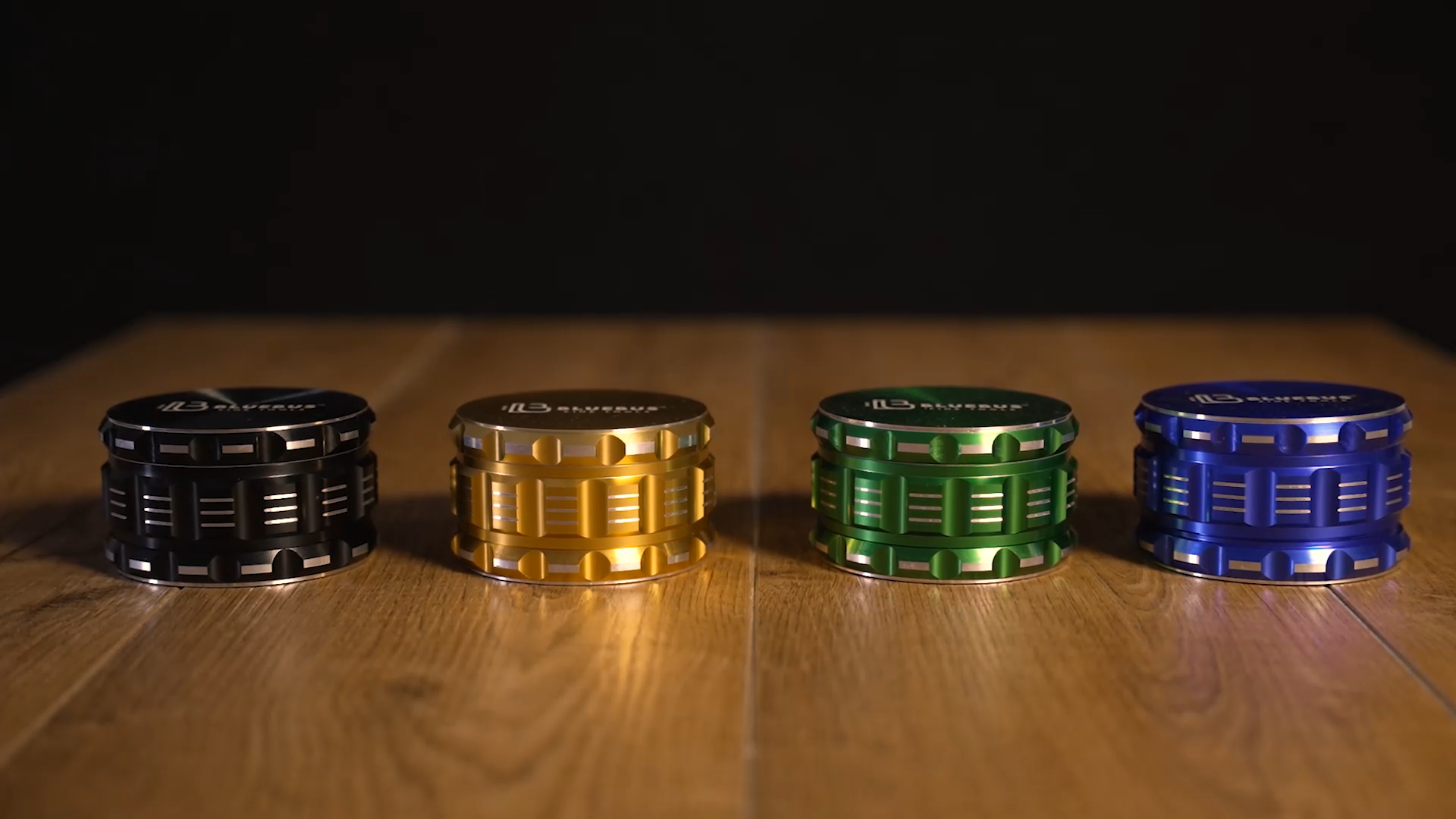
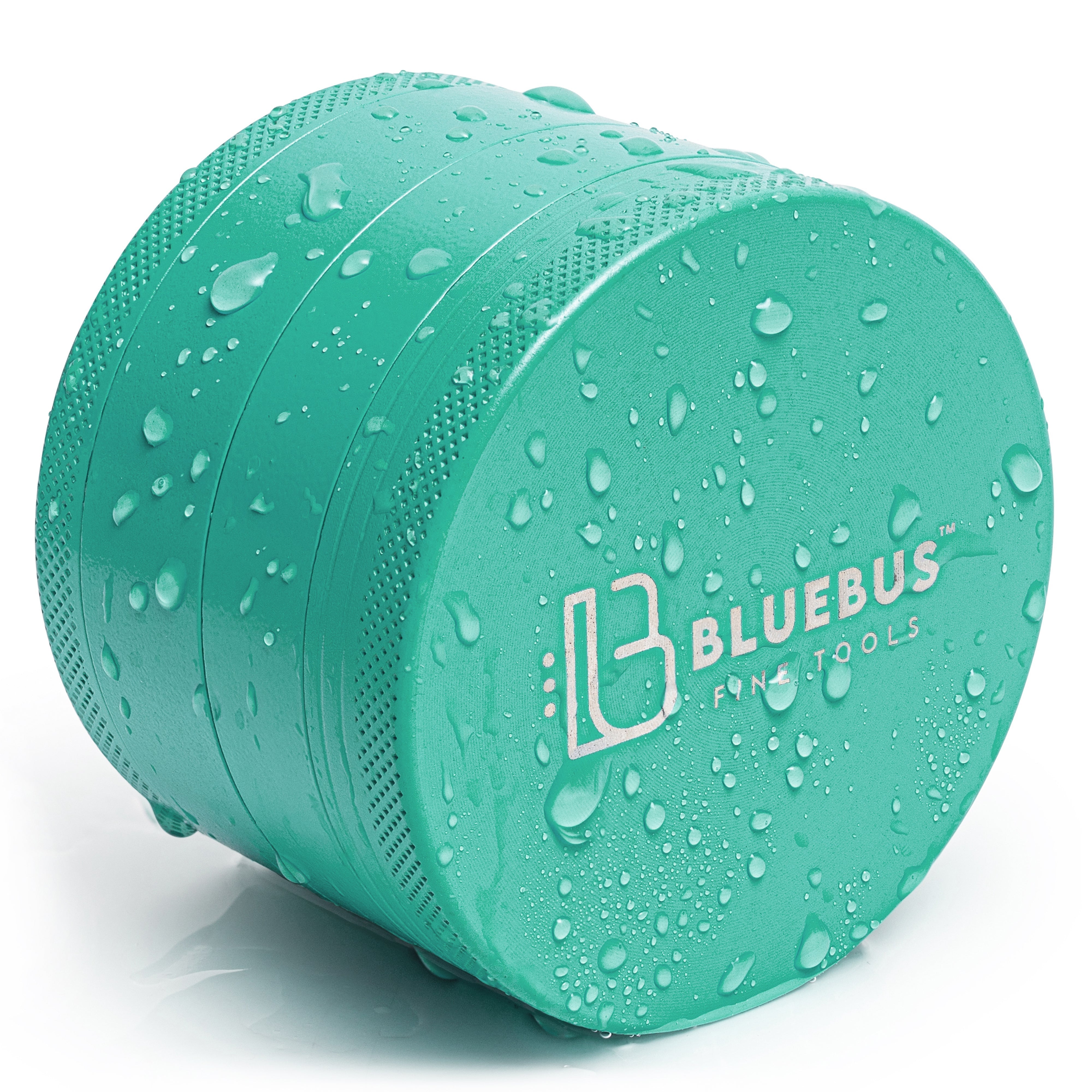
Through 15 November, every Discovery and Genesis 3.0 comes with a free herb grinder — GA 2-inch, GA 2.5-inch, GAC ceramic or M1 — and the LED Light Bar at no cost. The gifts aren't added automatically: put them in your cart alongside the box and the discount applies at checkout.


One is the whole kit, lined and locked. One is a $4 inner layer.
Containment does. A compressed gasket seal on a non-porous container holds odour in reliably. What doesn't exist is a container that stays sealed while you open it — which is why layering matters more than finding one perfect product.
Both are non-porous and neither absorbs. Steel is opaque and won't break in a bag; glass lets you see what's inside. On light, the classic storage study found indirect light — not direct sun — the single largest factor in cannabinoid loss, so an opaque container helps. Any opaque container does that, though, and amber glass gets you most of the way. The seal matters more than which of the two you pick.
Because the aroma dissolved into the plastic rather than sitting on it. Soft plastics take up aroma compounds into the material itself and washing can't reach them. Once it's happened it doesn't reverse — that container smells of its contents permanently.
Carbon genuinely adsorbs odour and is used seriously in ventilation, though it saturates over time and needs replacing. Dryer sheets just add a stronger smell on top. Neither replaces a seal — if a container needs a filter, it isn't sealed.
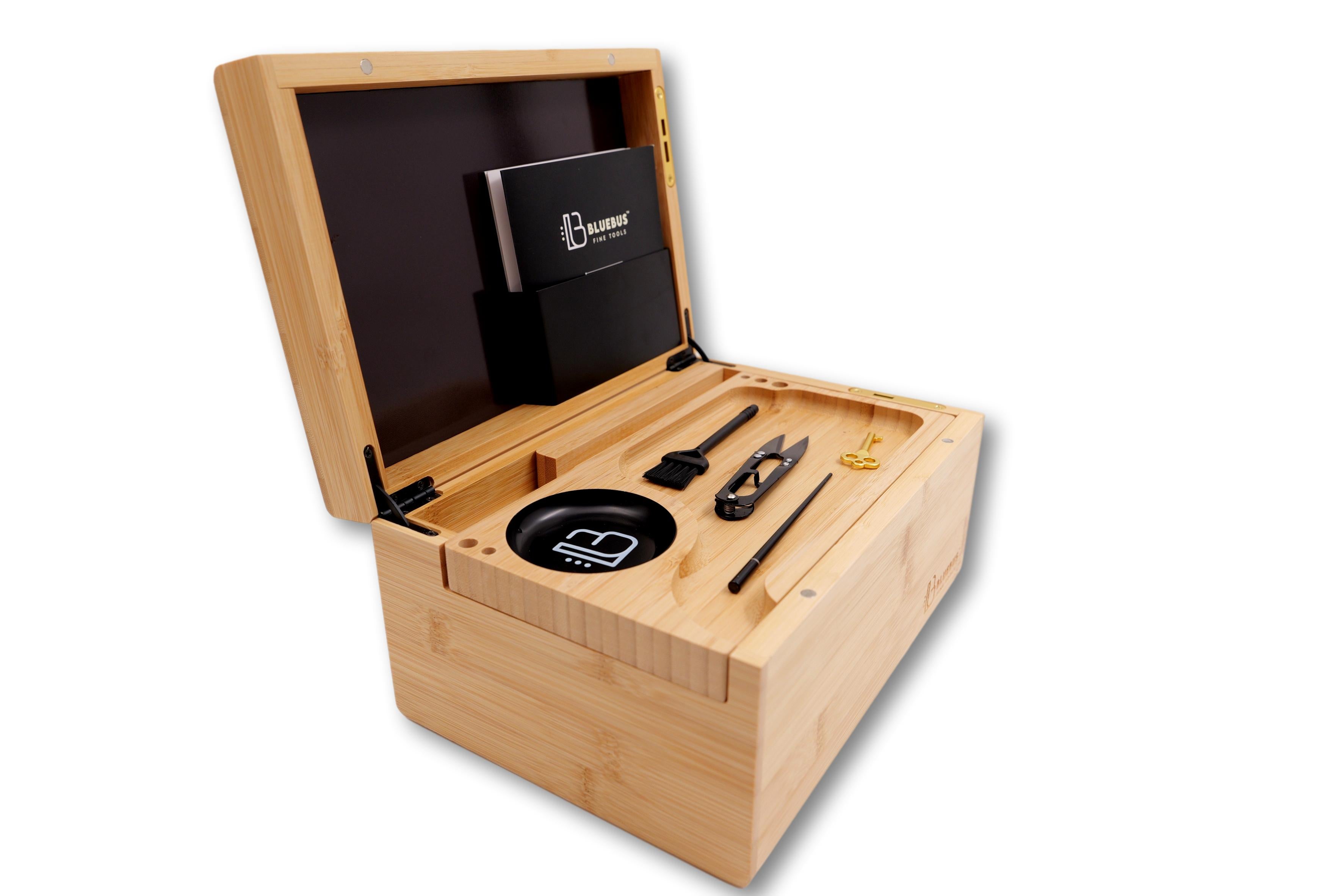
A wooden box isn't an airtight vessel; it's the outer layer. The containment comes from the sealed jars inside it. What the box adds is a second barrier, privacy, and a lock.
Yes, and that's a loss rather than a win — the aroma escaping is aroma you no longer have. Studies of drying and curing record losses of roughly a third to over half of the volatile oil, most of it in the first week, with the lighter terpenes going first. That's separate from the slower oxidation that degrades potency. A seal that holds gas slows the aroma loss, because once the air inside is saturated there's nowhere else for it to go.

